
Too Hot to Handle: How Alcohol Content Shapes Cocktails
By Death & Co | October 7, 2025
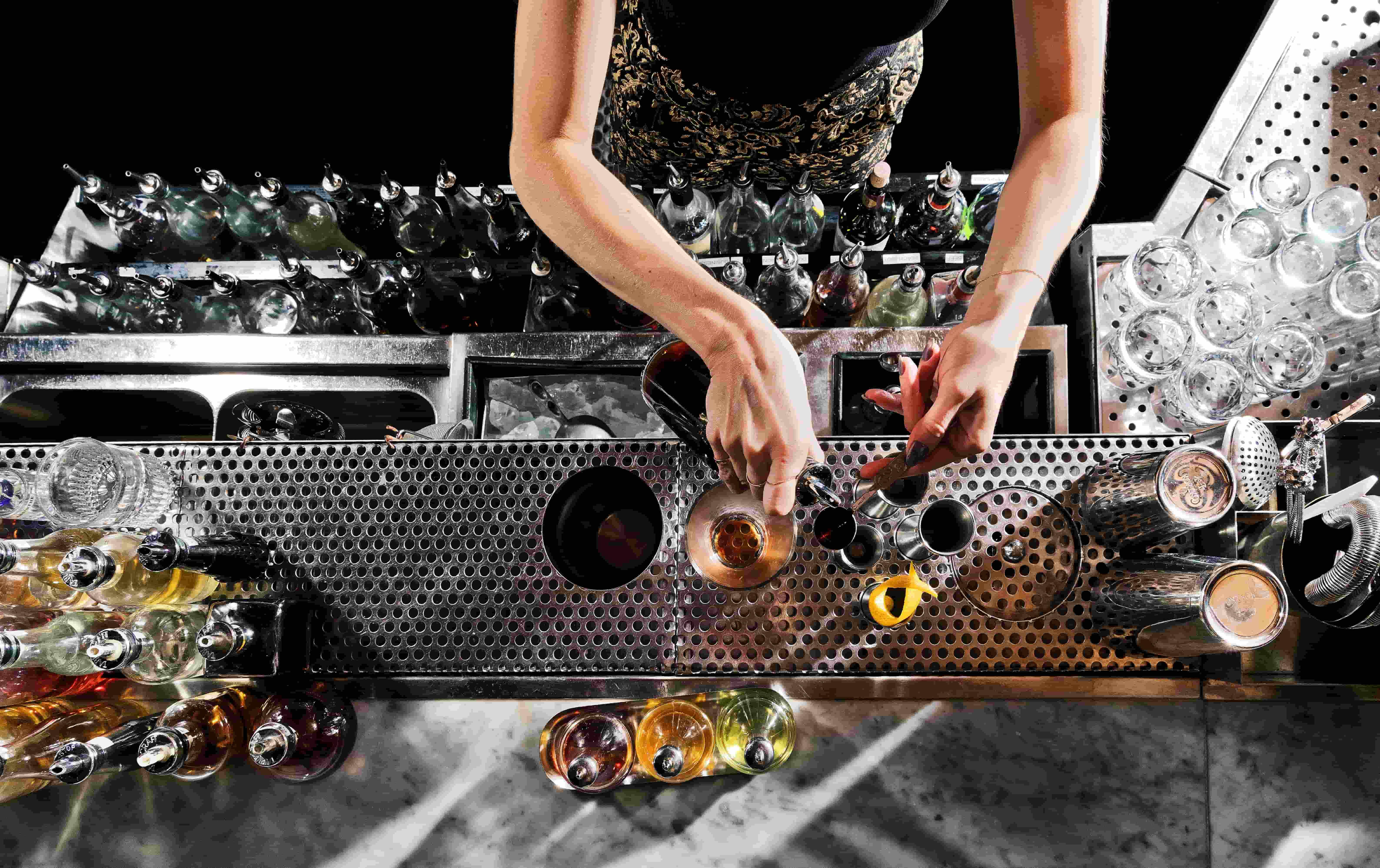
In the architecture of a cocktail, proof—the measure of an ingredient’s alcohol content—is one of the most influential design elements. It dictates not only how a drink feels on the palate, but how it integrates with its counterparts in the glass. Understanding how to wield proof allows bartenders to craft drinks with finesse, balance, and intention.
At the ingredient level, spirits range widely in proof, from gentle vermouths around 30 proof (15% alcohol by volume, or ABV) to overproof rums and whiskeys reaching 114 proof or more. Higher-proof spirits tend to deliver bolder flavors and greater heat, requiring careful handling. A cask-strength bourbon, for instance, can dominate a drink unless tamed by dilution, sweetness, or acidity. On the flip side, lower-proof modifiers like sherry or amaro can add complexity without overpowering the drink, offering structure and subtlety.
But proof isn’t just about individual components—it’s also about the drink as a whole. We think of the "overall proof" of a cocktail as its finished alcohol content after all ingredients and dilution are accounted for. This final proof affects the drink’s mouthfeel, perception of flavor, and how quickly it evolves in the glass. Spirit-forward cocktails like the Old-Fashioned or Martini often sit around 30% to 35% ABV when served, giving them a silky texture and extended finish. In contrast, shaken citrus drinks like a Daiquiri or Sidecar generally end closer to 20% to 25% ABV—more vibrant, more crushable.
Proof also affects how you serve a cocktail. Higher-proof drinks are best served cold and in small sips, often over a single large ice cube or sans ice in a chilled glass. Lower-proof cocktails, including spritzes and highballs, are brighter and more sessionable, designed for longer, lighter drinking experiences. And when working in large format or batched applications—like Death & Co’s Freezer Bar or bottled cocktails—calculating and managing overall proof ensures stability, clarity, and consistency over time.
Ultimately, using proof effectively is about creating balance. A well-constructed cocktail aligns the strength of its core spirit with the depth of its modifiers and the lift of dilution and temperature. It’s why Death & Co bartenders taste obsessively and design with intention: every proof point matters. Because whether it’s a high-octane stirred whiskey drink or a gentle aperitivo spritz, understanding alcohol content is essential to delivering a cocktail that drinks just right.