
Bitters Are Salt: How to Season Cocktails like a Chef
By Death & Co | February 13, 2026
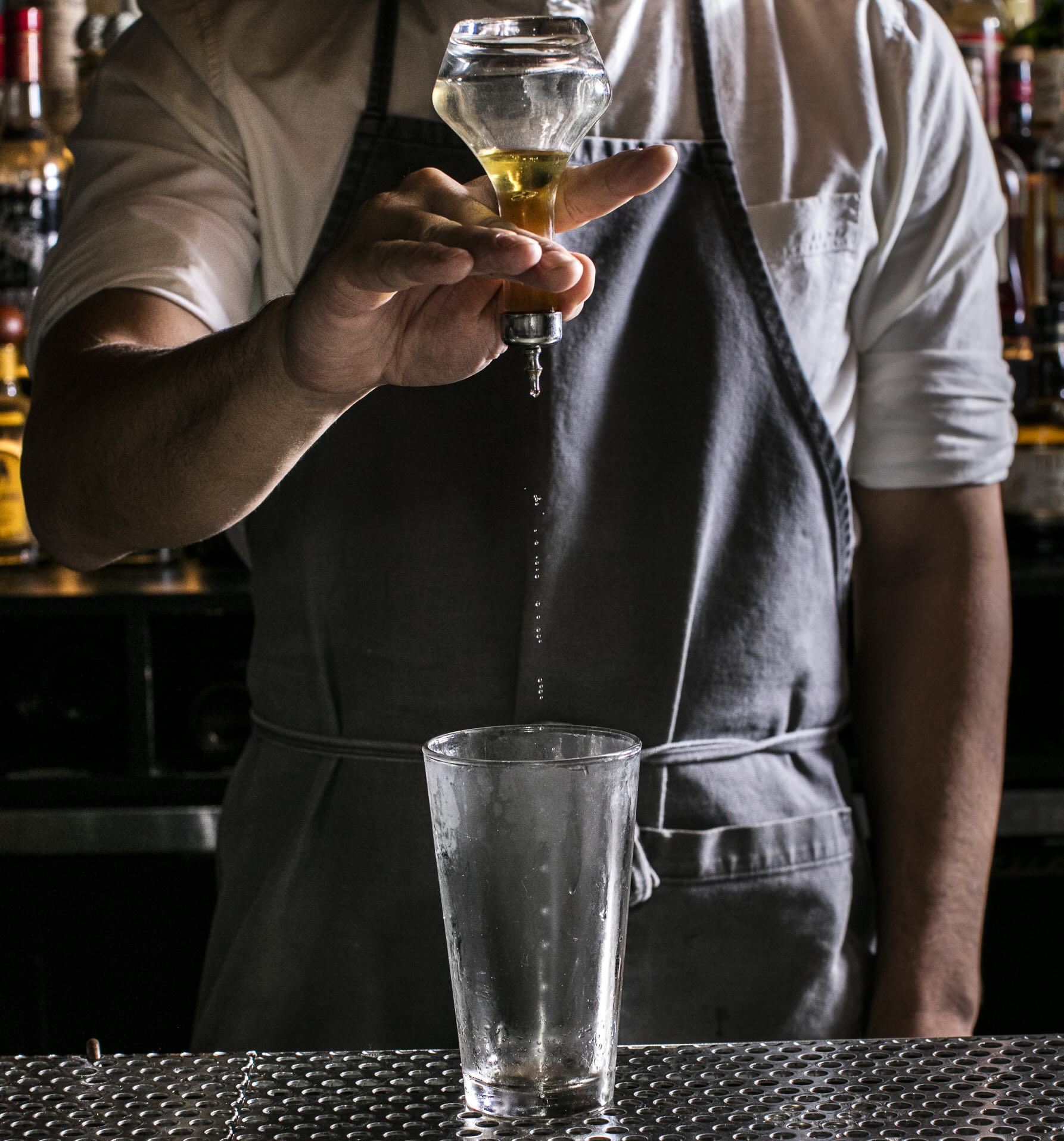
Bitters are one of the most captivating cocktail ingredients. With a single dash from a mysterious bottle, they can transform a drink's flavor and experience, bring ingredients together, or add aroma on top.
In the architecture of a cocktail, bitters play the role salt plays in a great dish: they don’t shout out their own flavor so much as bring the rest of the flavors else into harmony. A couple of dashes can pull citrus into focus, firm up sweetness, or stretch a whiskey’s finish. Used correctly, bitters make a drink taste more like itself. Here’s how to use them like a pro:
Start with calibration. “Two dashes” isn’t a universal measurement: Retail bottles throw bigger dashes than elegant dasher tops. To calibrate the size of a dash at home, build three identical mini cocktails (we suggest something simple and spirituous, such as a Martini or Old-Fashioned) and season them with one, two, and three dashes respectively. Taste the drinks side by side and lock in your house standard.
Treat bitters like a spice rack. We like to group bitters into three primary categories. “Aromatic” bitters, including the classic Angostura, have a dense, sweet base, a bitter core, and a spicy component (think clove, cinnamon, and baking spice), which add backbone to spirit-forward drinks. “Citrus” bitters, including orange and grapefruit, complement unaged spirits like gin and tequila, especially when paired with fortified wine. They also mix well with other bitters. “Savory” bitters add complexity with pepper or vegetal flavors. Mole bitters, with its rich chocolate flavor and hint of chile heat, is a popular choice. Other favorites include celery bitters (great with bourbon), cardamom bitters, and lavender bitters. Know when to add bitters. In shaken drinks, bitters can go in the tin to integrate and soften edges. In stirred, spirit-forward cocktails, adding bitters to the mixing glass preserves clarity and control. An for an aromatic emphasis, a final dash or two of bitters on top of the drink acts like a garnish, perfuming each sip.
Splitting bitters is powerful. Combine two styles of bitters while keeping your total dash count the same: aromatic + orange in an Old-Fashioned, or aromatic + Peychaud’s for Manhattan variants that need a little lift. If a drink feels sweet but thin, try shifting the split toward the spicier option; if it’s structured but dull, nudge toward citrus bitters.
Use bitters to fix problems. If a Daiquiri tastes flat, a single dash of aromatic bitters can add grip without making it bitter. If a Martini lacks soul, one dash of orange bitters can lengthen the finish and bring the botanicals into alignment.
Season thoughtfully, measure consistently, and let bitters do what salt does best: make everything taste better.