
Citrus, Smarter: Fresh Techniques for Better Cocktails
By Death & Co | April 9, 2026
Fresh citrus can make or break a cocktail, but many home bartenders are unknowingly sabotaging their drinks. That bitter, soapy taste in your Martini? That's probably from squeezing your lemon twist the wrong way. That lackluster Margarita? Your lime juice might be a too old. Let's fix both problems.
The Art of the Twist
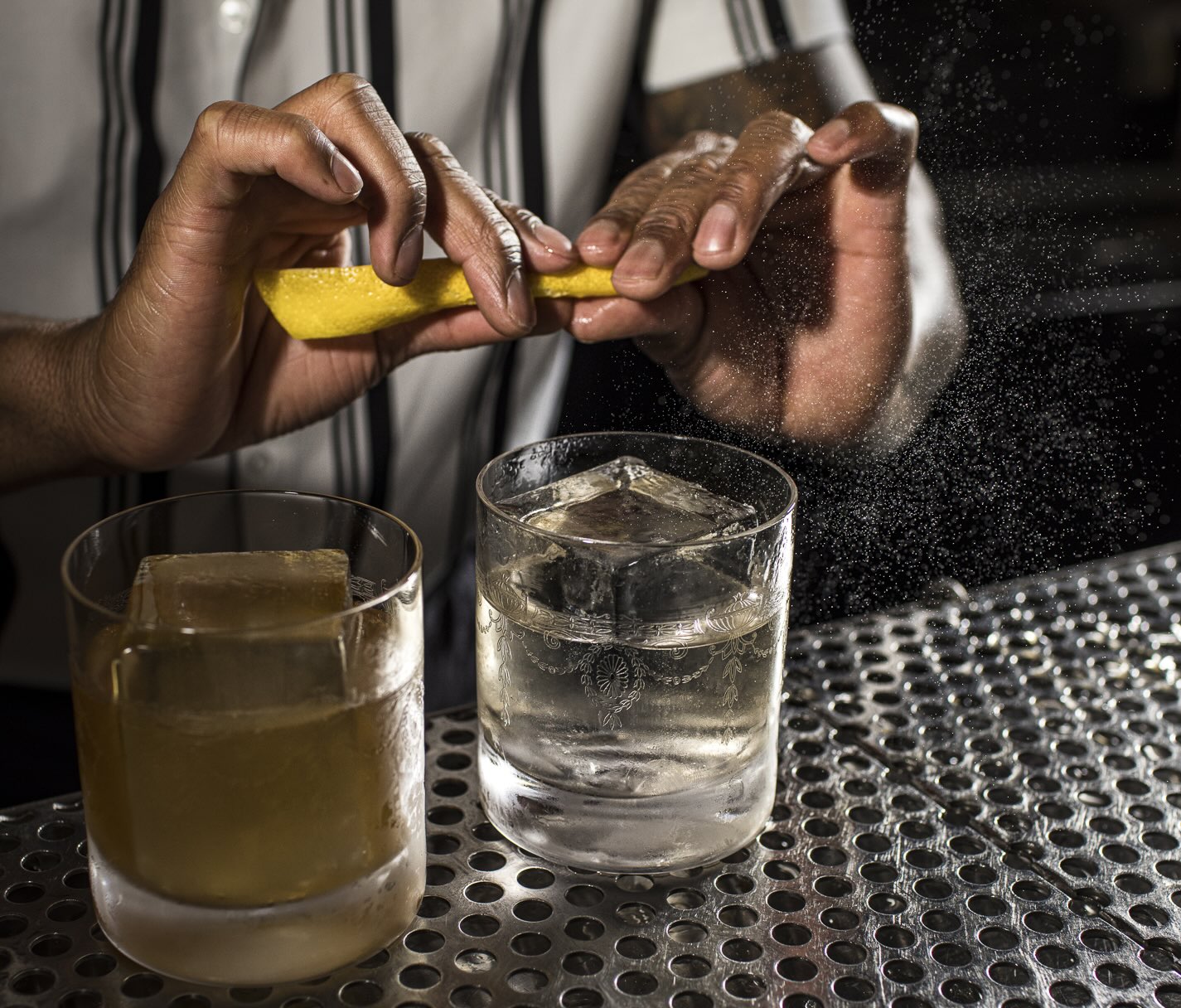
A citrus twist isn’t just a pretty garnish—it’s the drink’s top note, a burst of volatile oil that hits your nose before the first sip. Where most people go wrong is in the prep and the payoff: they cut a twist with too much white pith, which can leach bitterness as it sits, and then barely express it (or skip the step entirely). Done right, you want a wide strip of mostly colored peel and a deliberate expression of oils directly over the surface of the drink—enough to visibly mist—so the cocktail reads bright and lifted instead of flat or, later on, bitter.
Here's the right way to do the twist: Use a sharp vegetable peeler or paring knife to cut a wide swath of peel, removing as little of the pith as possible (that white pith tastes bitter, and will impart that flavor into the drink). Using your thumbs and pointer fingers, hold the twist pith-side-up over the drink, about two inches above the surface. Gently bend it (don't squeeze so aggressively that it breaks) to express the oils downward onto the cocktail. You should see a fine mist of citrus oil hit the surface.
As for rubbing the twist around the rim: we usually don’t. At Death & Co, that move can be too much—smearing citrus oil where every sip passes can turn a beautifully balanced drink too perfumey, even a little soapy. In most cases, expressing the peel over the surface and dropping it in is plenty. There are exceptions: we’ll occasionally rub orange twists, and only very rarely lemon twists, when we want that extra aromatic punch to lead every sip. But we never do it with grapefruit or lime—their oils are so assertive they tend to overwhelm the drink.
The Freshness Problem
Fresh citrus juice has a short half-life. The moment you squeeze it, oxidation and enzymatic reactions start reshaping its flavor—softening brightness, muddying aromatics, and flattening acidity. At our bars, we juice each day before service and replenish as needed, because citrus doesn’t “hold” the way most ingredients do. At home, the window is even tighter: leftover juice is acceptable for a day at best.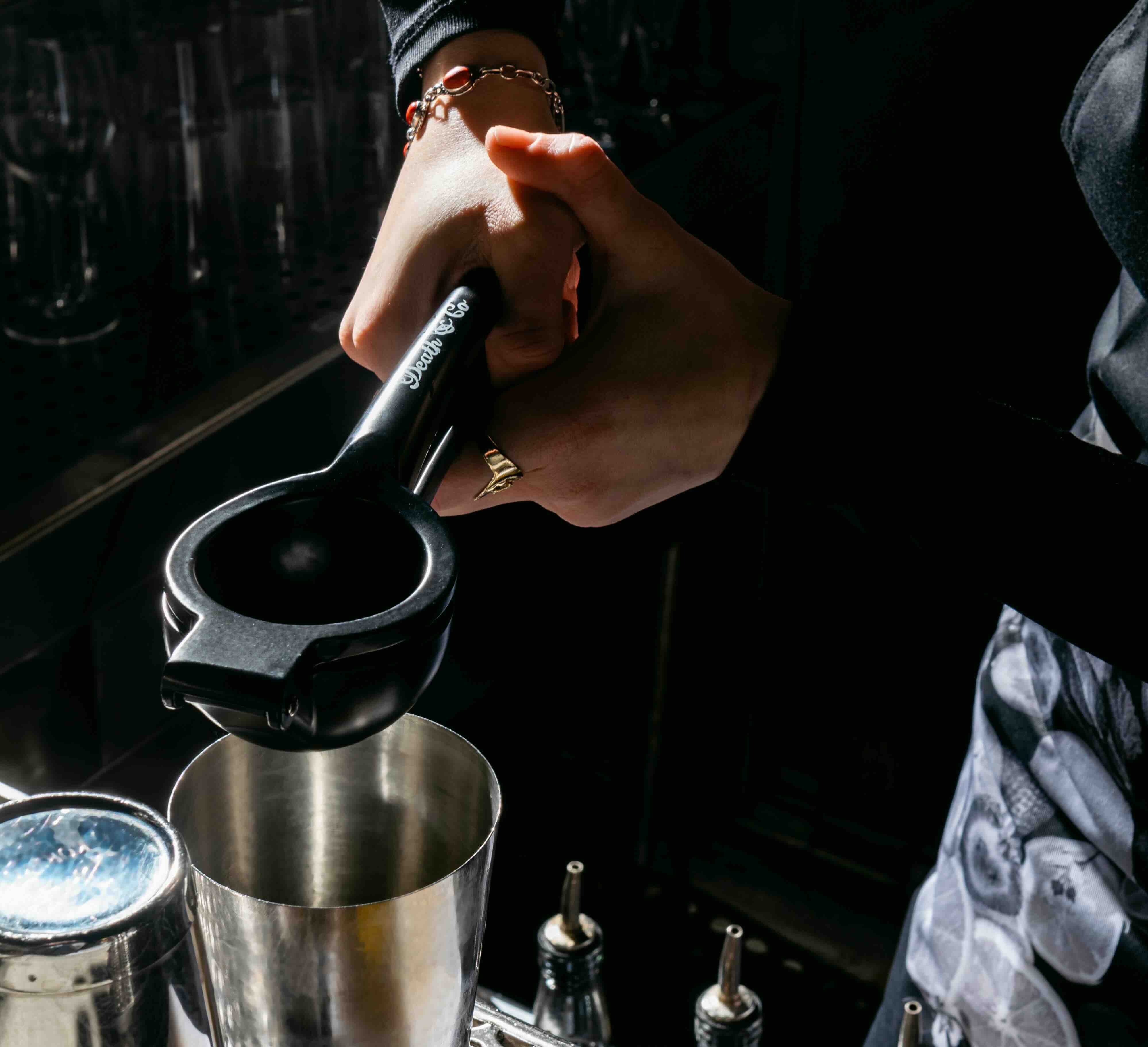
The fix is simple: juice as close to mixing as you can. For most home bartenders, that means squeezing citrus right before you start making drinks, then storing leftover juice in a sealed container in the fridge. If you have to prep ahead, treat lemon and lime like same-session ingredients—keep them covered, cold, and use them quickly. Start with the best fruit you can find, wash it well, and you’ll be surprised how much of that “bar-level” brightness is really just… freshness.
These small adjustments—proper twist technique and truly fresh juice—will elevate every citrus-forward cocktail you make. Your Daiquiris will be brighter, your Old-Fashioneds more aromatic, and you'll never taste Lemon Pledge in a Martini again.