
Glassware Temperature: The Overlooked Upgrade
By Death & Co | May 1, 2026
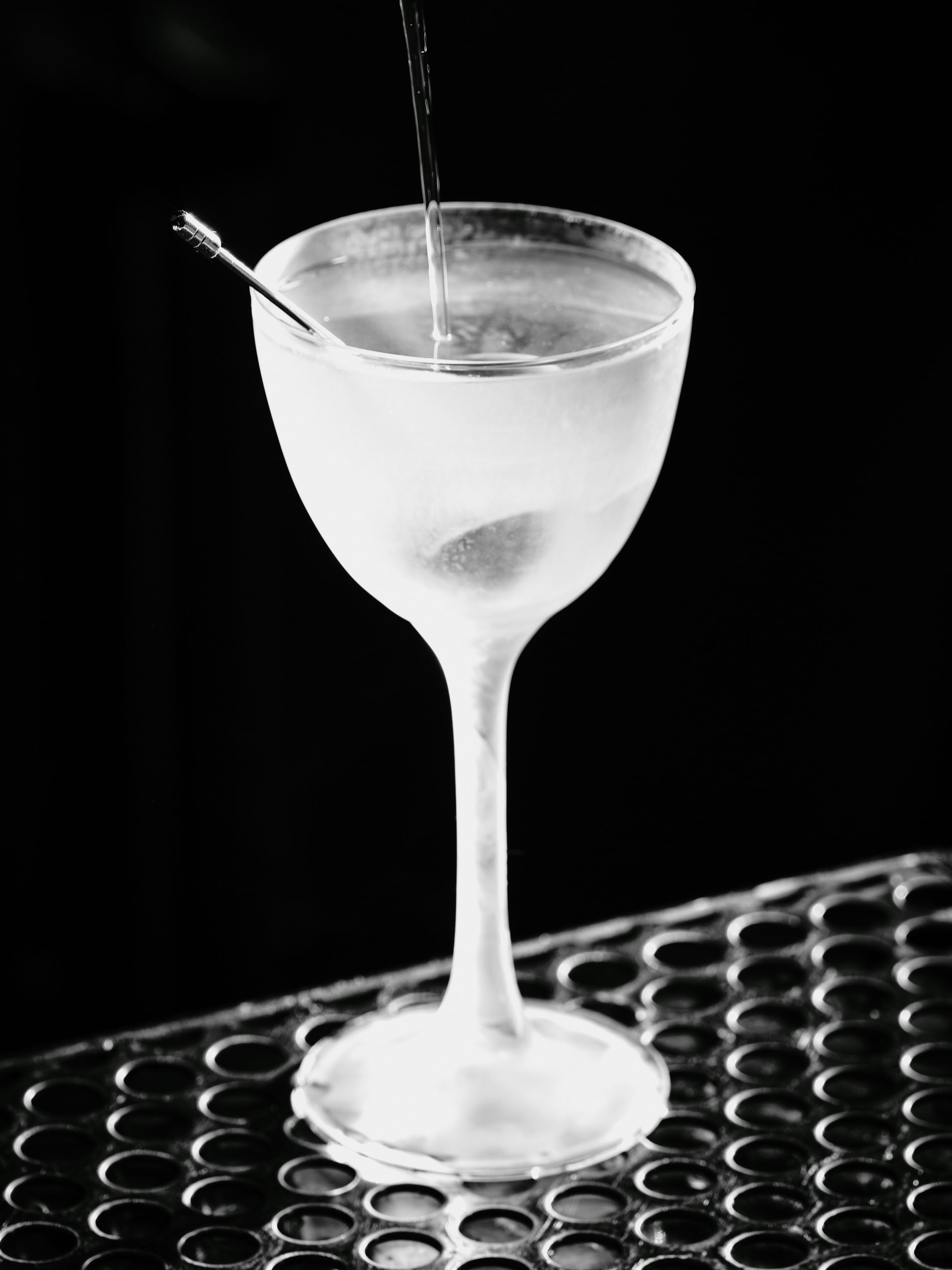
Glassware is the last piece of equipment that touches your drink—and for “up” cocktails, it’s the piece that can undo all your good work in seconds. You can nail dilution, hit the perfect chill in the shaker or mixing glass, and still serve a Martini that tastes a little tired if it lands in a room-temperature coupe.
Here’s why: a properly shaken or stirred cocktail leaves the tin or mixing glass right around the freezing point of water. That’s the whole point of the exercise. If your serving glass is warmer than that, it immediately starts warming the drink before you’ve even taken the first sip. Chilling your glassware doesn’t change the recipe, but it does preserve the temperature you worked to achieve, and it sharpens the sensory experience: that first cold touch on the rim, the snap of aromatics rising from a properly chilled surface, the way the drink stays focused longer.
This matters most for up drinks—Martinis, Manhattans, Daiquiris, Sidecars—anything served without ice. It’s less critical (and often unnecessary) for drinks on the rocks, because the ice in the glass is already handling ongoing temperature control. With rocks drinks, you’re more concerned with the size and quality of the ice than the glass’s starting temperature.
So what should you actually do at home? If you have the space, the most reliable move is to keep a few coupes, Nick & Noras, and old-fashioneds (aka rocks glasses) in your freezer. Give them time—about 30 minutes gets a glass properly cold. It’s the cleanest, most repeatable method.
And when freezer space is tight, you’ve still got a few fast options. A minute or two before you start mixing, try the bartop method: fill the glass with ice water (or crushed ice) and let it sit while you make the drink. In a few minutes, the glass will get down near its coldest practical temp. Dump, shake out the excess water, and pour your cocktail.
If you want something more aggressive, keep a bottle of vodka (or another neutral spirit) in the freezer, pour a small amount into the glass, swirl for a minute, then funnel it back into the bottle. This chills faster than ice water, though it can leave a faint flavor behind—so if you’re picky, match the spirit to the drink (gin for Martinis, rye for Manhattans).
Or split the difference with a quick hack: wrap the bowl of the glass in a wet paper towel (wrung out well) and place it in the freezer for about 5 minutes. You won’t hit maximum chill, but you’ll get close enough to keep an up drink crisp.
The takeaway is simple: if an up cocktail glass feels warm to the touch, it’s not finished yet. A chilled glass is the difference between “good” and “bar-level.”