
How to Host Like a Bartender
By Death & Co • June 2, 2026
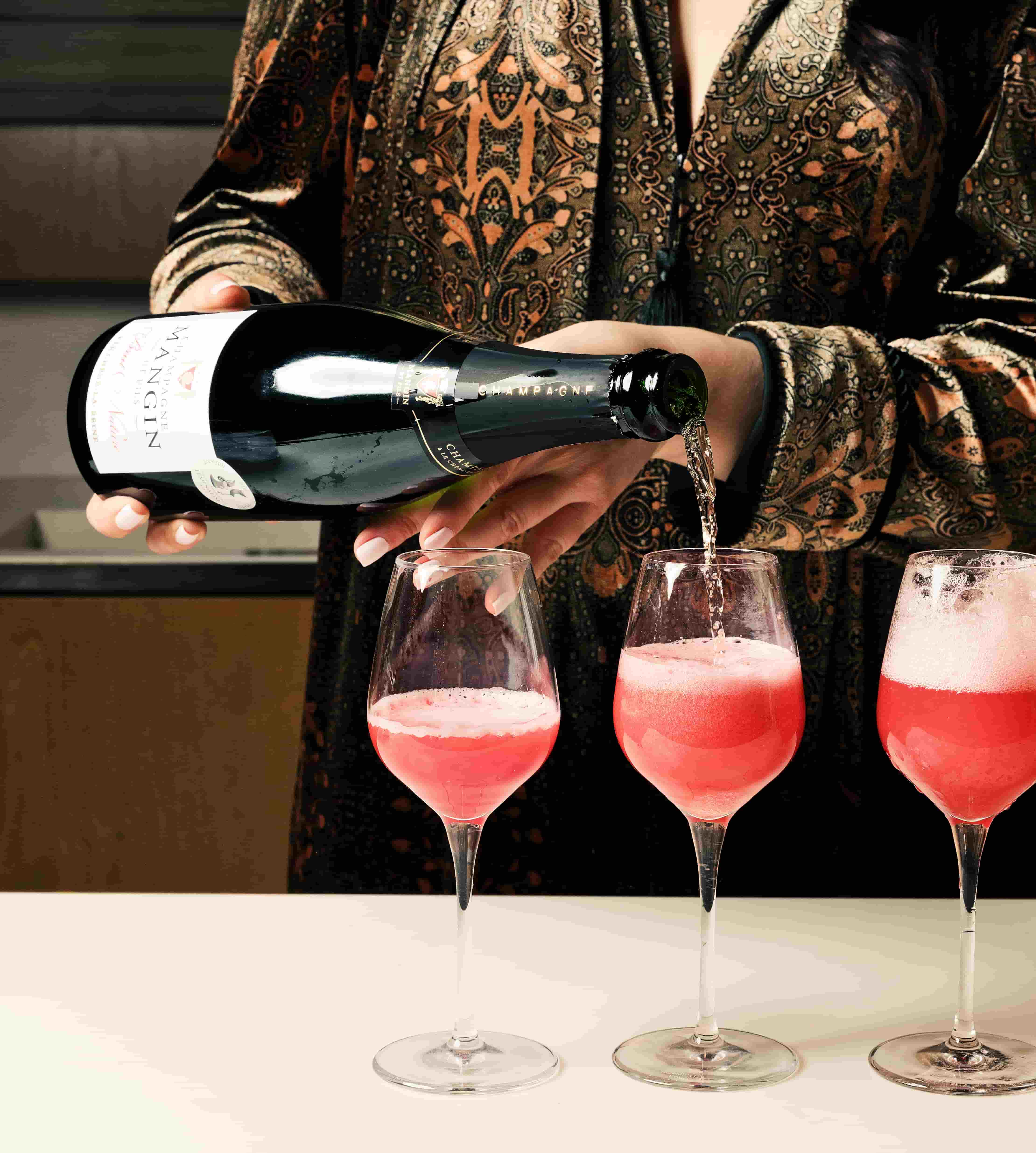
A professional bartender’s job isn’t just to make drinks—it’s to manage a room. The drinks are maybe half of the game; the rest is timing, attention, and anticipation: knowing when to step in and when to step back. These instincts translate directly to home entertaining, and the hosts who have internalized them are the ones whose parties feel easy and alive, even when they’re actually working hard.
Set the stage before anyone arrives. Mise en place isn’t just for kitchens. Before your first guest walks in, everything should be in position: tools and glassware ready, ice made, garnishes prepped. A host who’s scrambling for a strainer in front of guests has already lost the room. The goal is to make it look like the party threw itself.
Plan the first drink. The first drink you hand a guest is the most important one you’ll make all night. It sets the tone for everything that follows. Don’t ask “what do you want?” the moment someone walks in the door—have something ready. A poured glass of sparkling wine, a pre-batched aperitif, a simple cocktail on ice: An intentional welcome drink signals that you’ve been thinking about your guests before they arrived. In our book Death & Co Welcome Home, we describe this as one of the most powerful gestures in home entertaining: the feeling of being handed something delicious before you’ve even taken your coat off.
Manage tempo. Bartenders think in rounds. They track where every guest is in their drink cycle and move accordingly—not too fast, not too slow. At home, this means keeping loose track of everyone’s glasses: a nearly empty drink is a natural conversation opener, a chance to check in without hovering. Keep the pace comfortable. Letting glasses go completely empty creates an awkward pause; flooding guests with drinks too quickly kills the evening’s arc.
Rotate glassware. One of the simplest signals of good hospitality is a clean, fresh glass. Clear empties before they accumulate. If someone is moving from one drink style to another—a stirred cocktail to a spritz, say—offer a fresh glass. It’s a small gesture that reads as genuine attention.
Stay present. The bartender who stays behind the bar all night isn’t a great host—they’re a drink-dispensing service. Once the drinks are flowing and the rhythm is set, step away from the station. Circulate. A great party feels like everyone arrived together and stayed for the same reason: the drinks were good, and the company was better. That only happens when the host is in the room.